
Friday new releases: 1 March 2024
Dune: Part Two is in cinemas, Hideo Kojima: Connecting Worlds is on Disney+/Hulu, The Eternal Memory is on DocPlay and American Fiction is on Prime Video

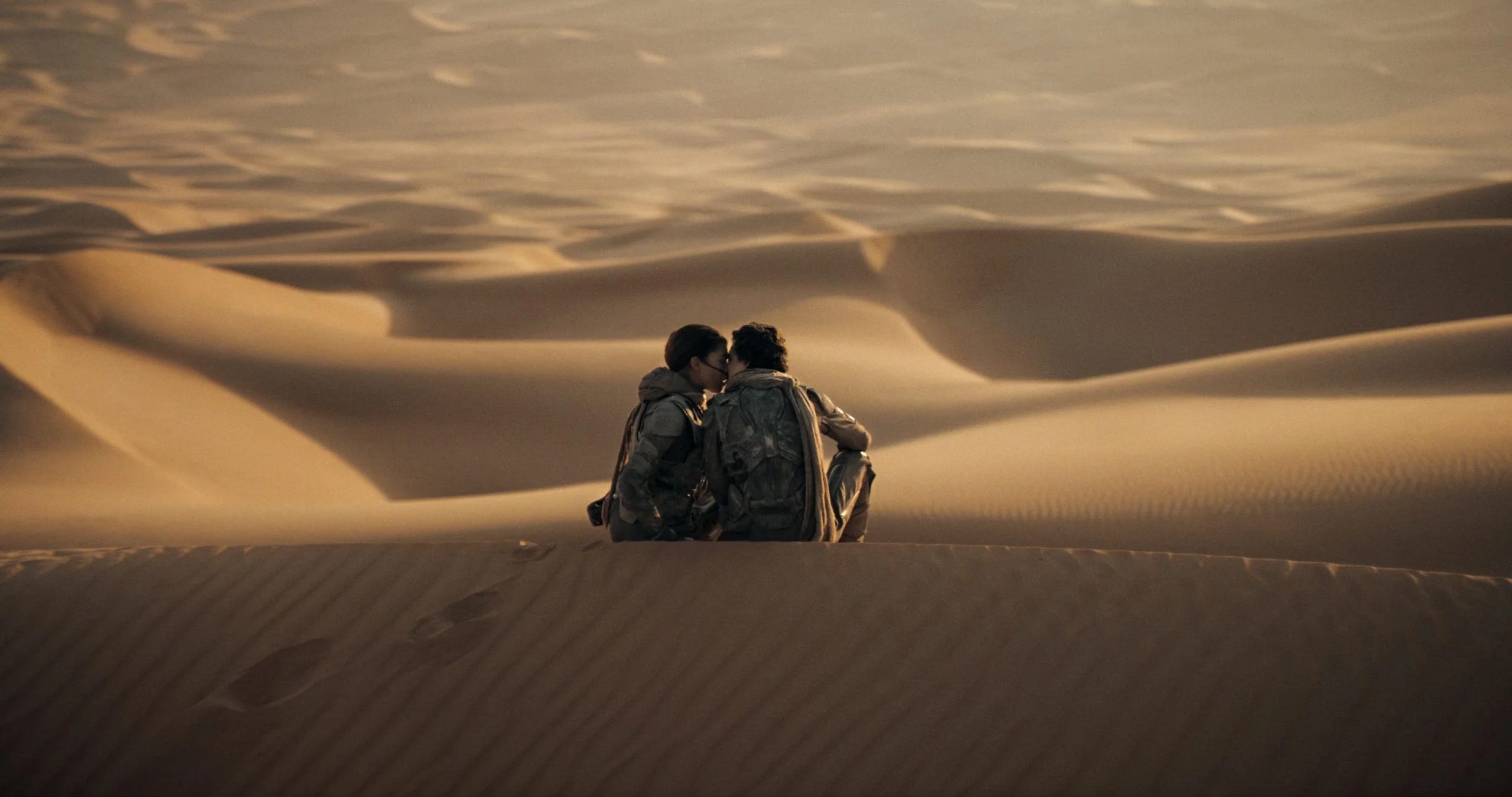
RNZ commissioned me to do a chunky review of the new Dune film, Dune: Part Two, and they have posted it here.
Here’s a couple of paragraphs to set the scene:
The first third of the film is an uncomfortable watch, thanks to its confluence with current global events. Of course, the filmmakers weren't to know that the horrors of Gaza would be occurring simultaneously with its release, but the scenes of the Harkonnens calling the freedom-fighting Fremen “rats” and calling for their extermination has painful echoes to say the least.
The Harkonnens – led by the corpulent Baron (Stellan Skarsgård) and the always-game Dave Bautista as his nephew Rabban – are the kind of fascists who even cheat at their own gladiatorial combat. They're a perfect illustration of the dictum that if you find it easy to deny the humanity of another people, chances are you've happily already sacrificed your own.
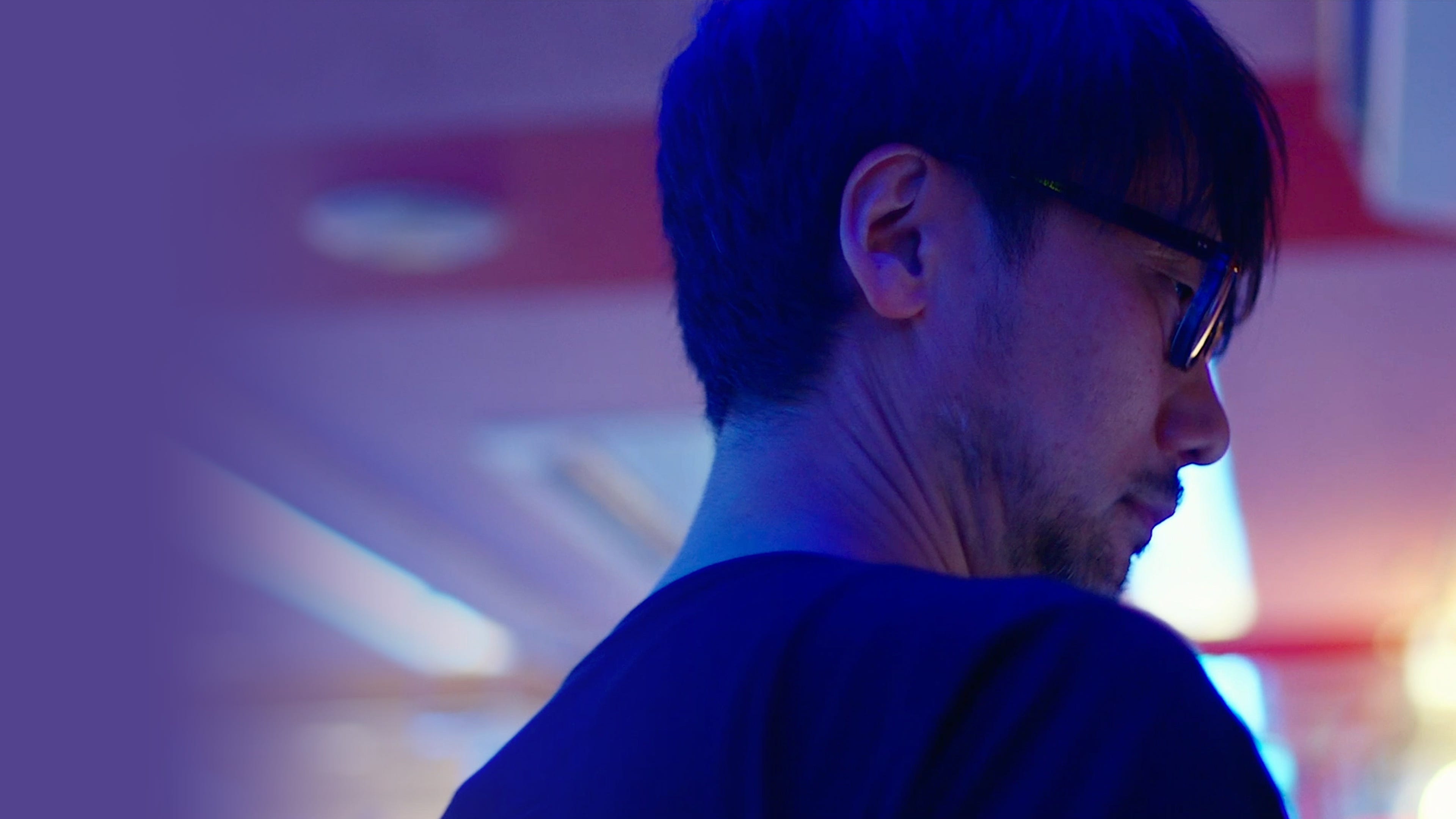
Hideo Kojima: Connecting Worlds is a new release on Disney+ (or Hulu in the US) and I was intrigued about it because I don’t know enough about the world of video game design. (I’m a haphazard gamer, playing only one with any seriousness.)
Kojima is the creator of the Metal Gear Solid series of games for Konami and the film follows him as he goes it alone by starting his own studio. The problem here is that the game – and the behind-the-scenes material – is from 2019 and the recent sequences aren’t much more than a framing device. It’s like a DVD extra for a movie that came out before the pandemic.
He’s an interesting enough figure, I suppose. A wannabe filmmaker who has found a niche that satisfies his creativity but not his dreams of being a screen auteur.
But there are too many unanswered questions for me, too many contradictions. The game he is making in the film, Death Stranding, is touted as being about making connections between isolated people but the scenes of actors (including Mads Mikkelsen and Léa Seydoux) creating scenes in their performance capture suits just showed them pretending to blow each other’s brains out over and over again.
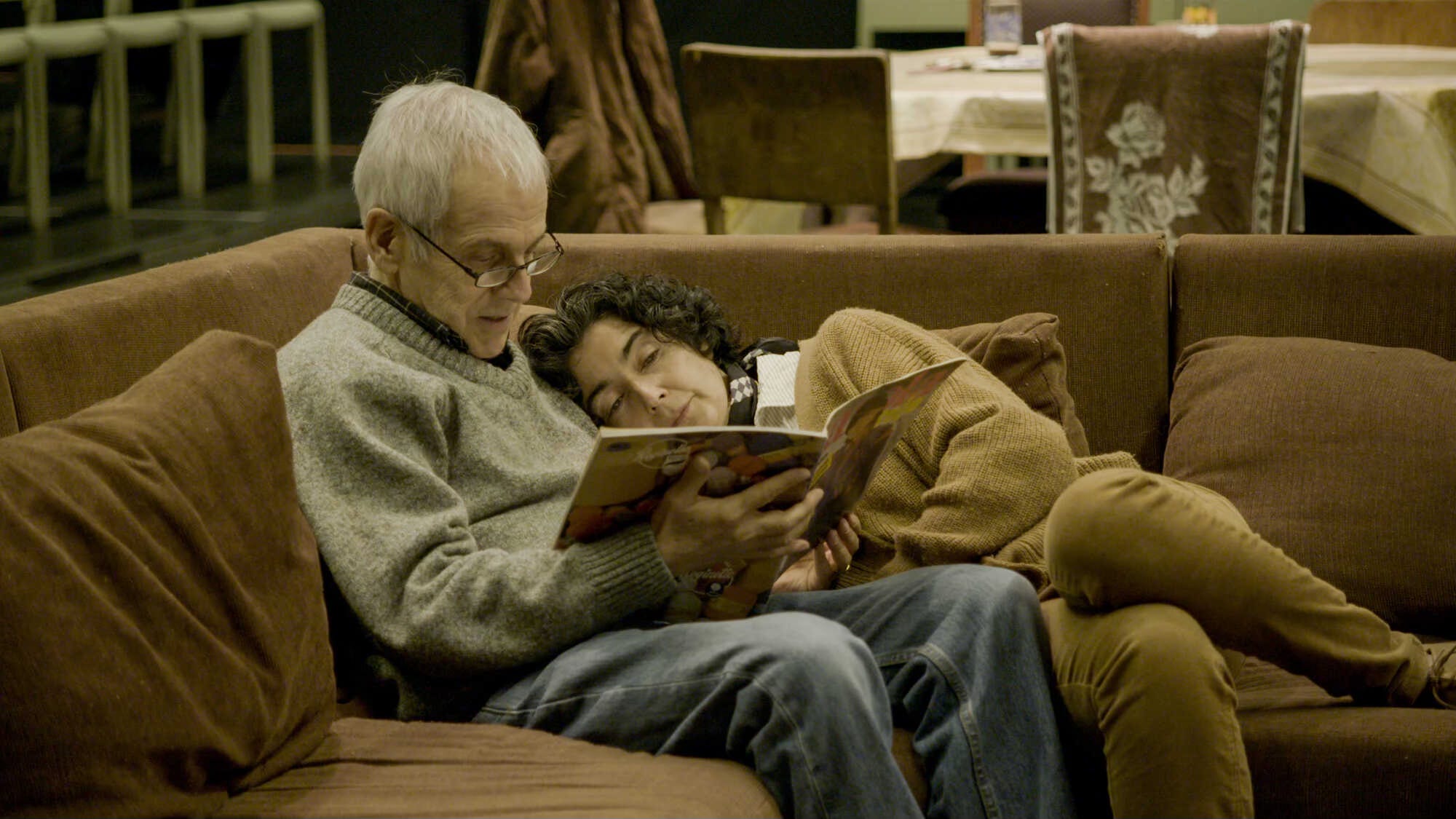
Some of this year’s Oscar-nominated documentaries are dropping on the DocPlay service in Australia and New Zealand over the next few weeks leading up to the ceremony and the first is the beautiful Chilean film, The Eternal Memory.
Broadcaster Augusto Góngora was a prominent figure in Chilean cultural circles and his wife of 23 years, Paulina (“Pauli”) Urrutia is an actor who also served as Minister of Culture for a few years. So, for Chilean audiences, their relative familiarity will add an extra layer to this story of his slow deterioration from the ravages of Alzheimer’s and her patience and love in caring for him.
The rest of us only see a beautiful portrait of a couple trying to hold each other together as he slowly fades away. It is a heartbreaking story and one that should encourage everyone to pay close attention to their loved ones today because one day they may not recognise you. Or you may not recognise them.
There’s no voiceover explaining what’s going on, no interviews or talking heads. The camera is often just placed on a tripod in the couple’s bedroom as they navigate their way through another difficult exchange. Occasionally, we get some archive footage – home video or examples of Augusto’s work as a television presenter – to remind us how he used to be.
One of his missions in life was to preserve the memories of the oppression during the Chilean dictatorship of another Augusto, Pinochet. Now, it is his memory they are trying to preserve, against all odds.
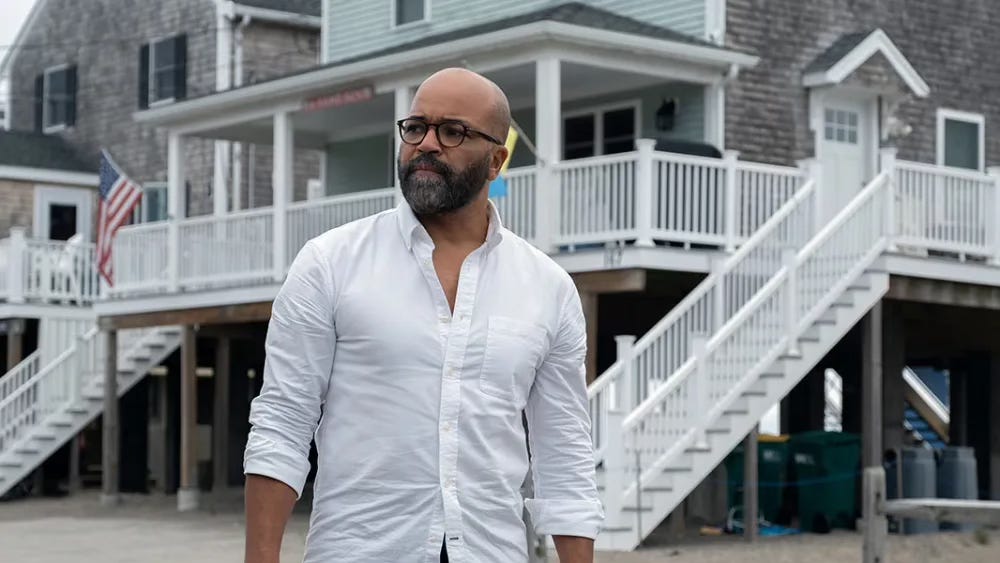
Alzheimer’s is also a subplot in Cord Jefferson’s American Fiction, a current Oscar-nominee for Best Picture that has been bypassed for a theatrical release in Aotearoa in favour of a straight-to-Prime strategy.
The great Jeffrey Wright plays writer Thelonious “Monk” Ellison, returning to New England to visit his upper middle-class family, only for his sister (Tracey Ellis Ross) to collapse suddenly and die and to also discover that his mother (Leslie Uggams) is showing early signs of dementia.
Frustrated at the state of his career, and feeling the imminent financial pressures required to care for his mother, Monk writes an angry pastiche of the kind of Black novel that he sees getting all the attention and is as surprised as anyone when publishers – and film producers – start falling over themselves to get their hands on it.
What started out as a joke rapidly spirals out of control as the highly educated (all his family are doctors, he’s just the only one that isn’t in the medical profession) is forced to take on the persona of the jive-talking, ghetto-living, criminal on-the-run, Stagg R. Leigh, and represent all of the worst clichés of Black culture that he has been railing against his entire career.
I had thought that some of the targets in this satire of the world of publishing were kind of soft, but then I read this article about how recent attempts at improving diversity in the book business have simply stagnated, so I’m inclined to be more accepting now, especially as the rest of the film is so thoughtful.
The chief delight of American Fiction is the chance to appreciate the virtuosity of Wright who deserves all the plaudits that he's getting (and many more leading roles). His growing slow-burn anger at the sheer wrongness of the world is something to behold.
Screenwriter-director Jefferson was a writer on The Good Place, Watchmen and Station Eleven – three of our favourite recent TV shows – and he’s made something special here (even if it isn’t the side-splitting comedy the trailers might have you believe).
Further reading
Here’s another link to the full Dune: Part Two review at RNZ. I like how it came out so I hope you will give it a look.
Also for RNZ, I recently added another article to my series on the Sight & Sound 50 Greatest Film of All Time list, Fritz Lang’s M starring the amazing Peter Lorre.
And I have recently started doing some work for NZ On Screen, the site dedicated to preserving and promoting the screen culture of Aotearoa. My first piece is a biography of the veteran producer Chloe Smith who started out as a production secretary in the 1980s and recently co-produced Jane Campion’s The Power of the Dog.
Welcome to new subscribers
It’s always nice to get a notification that someone new has signed up. (It’s even more gratifying when you get a notification from Stripe telling you that a payment is coming through!)
An additional feature of the site that’s useful for New Zealand subscribers is the breakdown of recommendations by streaming service on the home page.
If you only have access to one or two of the streamers I talk about, you can scroll down to find recent recommendations specific to each service. Items older than 30 days are for paid subscribers only but if you are just browsing for ideas, the most recent ones might be enough.
Once again, thank you all for reading.